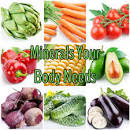
DASH Diet

As diet is thought to play a major role in the development of high blood pressure, scientists and policymakers have engineered specific dietary strategies to help reduce it.


What Is the DASH Diet?


DASH is a flexible and balanced eating plan that helps create a heart-healthy eating style for life.

The DASH eating plan requires no special foods and instead provides daily and weekly nutritional goals. This plan recommends:

  • Eating vegetables, fruits, and whole grains
  • Including fat-free or low-fat dairy products, fish, poultry, beans, nuts, and vegetable oils
  • Limiting foods that are high in saturated fat, such as fatty meats, full-fat dairy products, and tropical oils such as coconut, palm kernel, and palm oils
  • Limiting sugar-sweetened beverages and sweets.
SUMMARYThe DASH diet was designed to reduce high blood pressure. While rich in fruits, vegetables and lean proteins, it restricts red meat, salt, added sugars and fat.

Beyond reducing blood pressure, the DASH diet offers a number of potential benefits, including weight loss and reduced cancer risk.

However, you shouldn’t expect DASH to help you shed weight on its own — as it was designed fundamentally to lower blood pressure. Weight loss may simply be an added perk.

The diet impacts your body in several ways.

Lowers Blood Pressure

Blood pressure is a measure of the force put on your blood vessels and organs as your blood passes through them. It's counted in two numbers:

  • Systolic pressure: The pressure in your blood vessels when your heart beats.
  • Diastolic pressure: The pressure in your blood vessels between heartbeats, when your heart is at rest.
SUMMARYDASH lowers blood pressure — particularly if you have elevated levels — and may aid weight loss. It could reduce your risk of diabetes, heart disease, metabolic syndrome and some cancers.

The DASH diet doesn't list specific foods to eat.

Instead, it recommends specific servings of different food groups.

The number of servings you can eat depends on how many calories you consume. Below is an example of food portions based on a 2,000-calorie diet.

Whole Grains: 6–8 Servings per Day

Examples of whole grains include whole-wheat or whole-grain breads, whole-grain breakfast cereals, brown rice, bulgur, quinoa and oatmeal.

Examples of a serving include:

  • 1 slice of whole-grain bread
  • 1 ounce (28 grams) of dry, whole-grain cereal
  • 1/2 cup (95 grams) of cooked rice, pasta or cereal

Vegetables: 4–5 Servings per Day

All vegetables are allowed on the DASH diet.

Examples of a serving include:

  • 1 cup (about 30 grams) of raw, leafy green vegetables like spinach or kale
  • 1/2 cup (about 45 grams) of sliced vegetables — raw or cooked — like broccoli, carrots, squash or tomatoes

Fruits: 4–5 Servings per Day

If you're following the DASH approach, you'll be eating a lot of fruit. Examples of fruits you can eat include apples, pears, peaches, berries and tropical fruits like pineapple and mango.

Examples of a serving include:

  • 1 medium apple
  • 1/4 cup (50 grams) of dried apricots
  • 1/2 cup (30 grams) of fresh, frozen or canned peaches

Dairy Products: 2–3 Servings per Day

Dairy products on the DASH diet should be low in fat. Examples include skim milk and low-fat cheese and yogurt.

Examples of a serving include:

  • 1 cup (240 ml) of low-fat milk
  • 1 cup (285 grams) of low-fat yogurt
  • 1.5 ounces (45 grams) of low-fat cheese

Lean Chicken, Meat and Fish: 6 or Fewer Servings per Day

Choose lean cuts of meat and try to eat a serving of red meat only occasionally — no more than once or twice a week.

Examples of a serving include:

  • 1 ounce (28 grams) of cooked meat, chicken or fish
  • 1 egg

Nuts, Seeds and Legumes: 4–5 Servings per Week

These include almonds, peanuts, hazelnuts, walnuts, sunflower seeds, flaxseeds, kidney beans, lentils and split peas.

Examples of a serving include:

  • 1/3 cup (50 grams) of nuts
  • 2 tablespoons (40 grams) of nut butter
  • 2 tablespoons (16 grams) of seeds
  • 1/2 cup (40 grams) of cooked legumes

Fats and Oils: 2–3 Servings per Day

The DASH diet recommends vegetable oils over other oils. These include margarines and oils like canola, corn, olive or safflower. It also recommends low-fat mayonnaise and light salad dressing.

Examples of a serving include:

  • 1 teaspoon (4.5 grams) of soft margarine
  • 1 teaspoon (5 ml) of vegetable oil
  • 1 tablespoon (15 grams) of mayonnaise
  • 2 tablespoons (30 ml) of salad dressing

Candy and Added Sugars: 5 or Fewer Servings per Week

Added sugars are kept to a minimum on the DASH diet, so limit your intake of candy, soda and table sugar. The DASH diet also restricts unrefined sugars and alternative sugar sources, like agave nectar.

Examples of a serving include:

  • 1 tablespoon (12.5 grams) of sugar
  • 1 tablespoon (20 grams) of jelly or jam
  • 1 cup (240 ml) of lemonade
SUMMARYThe DASH diet does not list specific foods to eat. Instead, it's a dietary pattern focused on servings of food groups.

10 Fruits Highest in Calcium


Calcium is necessary for the growth and maintenance of strong teeth and bones, nerve signaling, muscle contraction, and secretion of certain hormones and enzymes.

A deficiency in calcium can lead to numbness in fingers and toes, muscle cramps, convulsions, lethargy, loss of appetite, and abnormal heart rhythm.

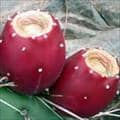
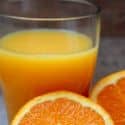
Fruits high in calcium include calcium-fortified orange juice, prickly pears, tangerines, oranges, kiwifruit, mulberries, blackberries, guavas, papaya, and passion fruit. 

#1: Fortified Orange Juice

A glass of orange juice
Calcium
per Cup
Calcium
per 100g
Calcium
per 200 Calories
349mg
(27% DV)
140mg
(11% DV)
596mg
(46% DV)

#2: Prickly Pears

Prickly Pears
Calcium
per Cup
Calcium
per 100g
Calcium
per 200 Calories
83mg
(6% DV)
56mg
(4% DV)
273mg
(21% DV)

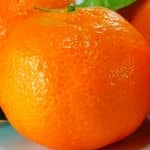
#3: Tangerines

Tangerines
Calcium
per Cup
Calcium
per 100g
Calcium
per 200 Calories
72mg
(6% DV)
37mg
(3% DV)
140mg
(11% DV)

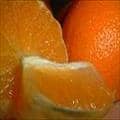
#4: Oranges

Slices of orange
Calcium
per Cup
Calcium
per 100g
Calcium
per 200 Calories
72mg
(6% DV)
40mg
(3% DV)
170mg
(13% DV)

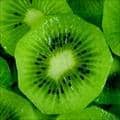
#5: Kiwifruit

Slices of kiwifruit
Calcium
per Cup
Calcium
per 100g
Calcium
per 200 Calories
61mg
(5% DV)
34mg
(3% DV)
111mg
(9% DV)

#6: Mulberries

Mullberries
Calcium
per Cup
Calcium
per 100g
Calcium
per 200 Calories
55mg
(4% DV)
39mg
(3% DV)
181mg
(14% DV)

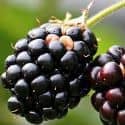
#7: Blackberries

Blackberries on the stem
Calcium
per Cup
Calcium
per 100g
Calcium
per 200 Calories
42mg
(3% DV)
29mg
(2% DV)
135mg
(10% DV)

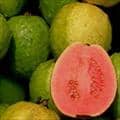
#8: Guavas

Half a guava
Calcium
per Cup
Calcium
per 100g
Calcium
per 200 Calories
30mg
(2% DV)
18mg
(1% DV)
53mg
(4% DV)

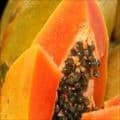
#9: Papaya

Papayas
Calcium
per Cup
Calcium
per 100g
Calcium
per 200 Calories
29mg
(2% DV)
20mg
(2% DV)
93mg
(7% DV)

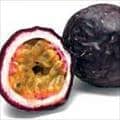
#10: Passion-Fruit (Granadilla)

Passion Fruit
Calcium
per Cup
Calcium
per 100g
Calcium
per 200 Calories
28mg
(2% DV)
12mg
(1% DV)
25mg
(2% DV)

Dried Fruits High in Calcium


FoodServingCalcium
#1 Dried Figs

per cup19% DV
(241mg)
#2 Zante Currants

per cup10% DV
(124mg)
#3 Golden Seedless Raisins

per cup6% DV
(77mg)
#4 Dried Apricots

per cup6% DV
(72mg)
#5 Goji Berries

5 tbsp4% DV
(53mg)

What Are Minerals?


Minerals are essential nutrients that our body needs to work properly.
Minerals are another component in a healthy diet. There are two categories of minerals: major minerals and trace minerals. The difference between each of these is the amount that is needed each day. The major minerals are calcium, phosphorus, magnesium, sodium, potassium, chloride, and sulfur. The trace minerals are iodine, iron, zinc, selenium, fluoride, chromium, and copper.

Minerals are found in foods like cereals, bread, meat, fish, milk, dairy, nuts, fruit (especially dried fruit) and vegetables. We need more of some minerals than others. For example, we need more calcium, phosphorus, magnesium, sodium, potassium and chloride than we do iron, zinc, iodine, selenium and copper.


The primary functions and sources of the major minerals are
  • Calcium: The primary mineral in bones and teeth is also needed for normal muscle contraction and relaxation, nerve functioning, and blood clotting. The dietary sources are milk and milk products, oysters, small fish, tofu, greens, and legumes.
  • Phosphorus: This mineral makes up about 1% of your body weight. It is needed for bone and tooth strength, and it plays an important role in the body's utilization of carbohydrates and fats and in the synthesis of protein and in the maintenance and repair of cells and tissues. The dietary sources are dairy products and meat.
  • Magnesium: This is required for nerve and heart function, bone strength, and to maintain a healthy immune system. The dietary sources are halibut, nuts, spinach, cereal, oatmeal, potato, peanut butter, and yogurt.
  • Sodium: This is critical for nerve impulse transmission and helps to maintain cells' normal fluid balance. The guidelines for sodium consumption are to consume less than 2,300 mg (approximately 1 tsp of salt) of sodium per day and to choose and prepare foods with little salt. At the same time, consume potassium-rich foods, such as fruits and vegetables.
  • Potassium: This is essential for the body's growth and maintenance and the contraction of muscles. It's also necessary to maintain a normal fluid balance between the cells and body fluids. Dietary sources are potato with the skin, prunes, raisins, lima beans, orange juice, tomato juice, acorn squash, bananas, spinach, and sunflower seeds.
  • Chloride: Chloride is a part of the hydrochloric acid in the stomach that is necessary for proper digestion. The dietary sources are salt and processed foods.
  • Sulfur: This is the only mineral that aids in drug detoxification. The dietary sources are all protein-containing foods.

The primary functions and sources of the trace minerals are

  • Iodine: This mineral is a component of thyroid hormones. The dietary sources are iodized salt, seafood, and dairy products.
  • Iron: Iron deficiency is considered the number-one nutritional disorder in the world. It is needed to make hemoglobin, which is used to carry oxygen in the blood. When oxygen can't get to the cells, the symptoms will be fatigue, poor work performance, and decreased immunity. The dietary sources are liver, oysters, beef, turkey, chicken, and tuna.
  • Zinc: This mineral is involved in normal growth and development, it's needed for a healthy immune system, it helps maintain your sense of taste and smell, and it is needed for wound healing. The dietary sources are seafood, meat, poultry, and whole grains.
  • Fluoride: Pick up your toothpaste and you will see that it contains fluoride. The reason for this is because it increases resistance of tooth enamel to dental caries. Water is also fluoridated for this reason.
  • Chromium: This mineral enhances the action of insulin. It also appears to be involved in carbohydrate, protein, and fat metabolism. Dietary sources are meat, unrefined grains, broccoli, garlic, and basil.
  • Copper: Copper aids in forming hemoglobin, which is needed to carry oxygen to the cells. It is also involved in protein metabolism and hormone synthesis. The dietary sources are liver, cocoa, beans, nuts, whole grains, and dried fruits.

I want to conclude with a very important point. The goal isn't to go for "perfection" with your diet. The goal is to make some changes to what you are currently doing and continue to add and remove things as you go. There are not "good" and "bad" foods. Each food can fit into your diet, but the frequency and quantity may need to be altered. Think of foods as "everyday" foods and "sometimes" foods, and go for lots of color and a balance of foods from each of the food groups.

Medical Nutrition Diet

Medical Nutrition DIET


Dt.Shivali Gupta ,India’s most trusted and award winning dietitian, Clinical Nutritionist.
She does not believe in strict nutrition philosophies, staying unrealistically thin, or depriving yourself of the foods you love. Rather, she encourages use of food as medicine with a holistic approach.

She has five year of professional experience in health care industry -

1) Yashoda Hospital,Hyderabad
2) Virinchi International Hospital ,Hyderabad


No weight loss or gain goal but have a special requirement or a medical condition (Diabetes, BP, fatty liver, etc.) that needs specific nutrients in your diet.


So your weight is normal but you have a special requirement or a medical condition that needs specific nutrients in your diet? That includes low calorie diet, low sodium diet, low cholesterol diet, high fiber diet, food intolerance. We can help you!

A therapeutic diet is a meal plan that controls the intake of certain foods or nutrients. It is part of the treatment of a medical condition and are normally prescribed by a physician and planned by us. A therapeutic diet is usually a modification of a regular diet. It is modified or tailored to fit the nutrition needs of a particular person.


Diet in Dyslipidemia / Heart diseases:-

It refers to Deranged or abnormal levels of lipids in the blood. Excess cholesterol in the blood tends to get deposited along the intimal layer of the arteries. As these deposits , the arteries thicken and Harden and when major arteries are involved angina, myocardial infarction, strokes or paralytic attacks may occur. The lipid profile includes total cholesterol (HDL, LDL), triglycerides and HDL: Cholesterol ratio. Goal is to increase HDL levels and reduce levels of total cholesterol and triglycerides in blood.

A low fat diet is prescribed in this which decreases the amount of calories that are eaten for fat. Following this diet may help lower your blood cholesterol. High blood cholesterol is often seen in people who are overweight. High blood cholesterol may also run in families. One has to include more fiber in diet.

HIGH FAT + STESS = HEART RISK


Diet in Diabetes Management

Diabetes mellitus refers to an increase in blood sugar levels. This occurs due to deficiency of insulin in the body.

Diet plays a very important role in diabetes management as 50% of the treatment is dependent on medication and 50% on diet, exercise and lifestyle. If we consider our body as a car, diet as accelerator of the car. Better the discipline in diet less will be the accident of complication of diabetes. If uncontrolled , it can lead to severe complications affecting eyes, blood vessels and kidneys.

First line treatment of a newly diagnosed diabetic is diet and exercise and weight loss treatment, which is always on the normal nutrition needs of that person for positive health.
Our diet has three major nutrients. Carbohydrates proteins ,and Fats. All are important for us but for diabetic carbohydrates have a major role to play, as this is the nutrient that converts in to glucose in our bodies.So quantity type and spacing of carbohydrates is important which can only be decided by a dietician according to individual needs and raise in blood sugar level.


Diet in Constipation

Constipation or the irregular, infrequent or difficult passage of stools is one of the common problems faced by people of all age groups. Elimination of stools becomes difficult and painful. Common symptoms of constipation include bloating, sluggishness feeling of fullness.

Constipation could be due to reduced physical activity, Insufficient fluid intake , lowfibre intake, psychological factors long term use of laxatives.

Diet has major role to play in this condition as various fibre rich foods should be included in diet with increased fluid intake.


Diet in Kidney Disorders

Nephrotic syndrome is the inflammation of the nephron . It is characterised by a group of symptoms resulting from kidney damage and impaired nephron function. It is a disease primarily confined to the glomeruli .

It is manifested by severe oedema, generalised puffiness around the eyes, extremities, especially around ankle and feet, swelling of the abdomen, facial swelling, foamy appearance of urine, weight gain due to fluid retention, anorexia and hypertension.

It can manifest in form of ARF(acute renal failure); CRF (chronic renal failure); Dialysis or renal transplant may be needed.

Dietary modifications help to maintain a state of good nutrition, to control or correct protein deficiency , to prevent deem and to provide palatable , easily digested meals as per individual needs.


Diet in Liver Disorders

The liver is the largest and most complex organs of the body involved in multiple functioning of nutrient absorption and metabolism like proteins, carbohydrates rates and lipids besides vitamins and minerals . It is also involved in the detoxication of bacterial decomposition products , mineral poisons and certain drugs and dyes. Any insult on the liver can have direct bearing on the nutritional status of an individual.

A symptom common to all liver disease is jaundice which is a result of increased bilirubin levels in the blood. When the liver is affected by any infection, it results in the inflammation of the hepatic cells , causing hepatitis.

The basis of treatment of liver diseases is adequate rest along with dietary modifications. Dietary management helps to relieve symptoms , aids in regeneration of liver cells and to prevent further liver damage .

Diet in Gastrointestinal Surgeries/ Dental Problems

Soft diet is recommended in certain medical conditions. A soft diet contains food that are soft and easy for you to chew or swallow. These foods may be chopped, ground, mashed, pureed, and moist.
Eating soft food may help if you have problems chewing swallowing. People who have had certain type of surgery, such as head, neck or stomach surgery may need to eat a soft diet. People who have problems with their teeth or mouth may also need to have a soft diet.
One has to Avoid any foods that are hard for you to chew or swallow.

Diet in Osteoporosis

In Osteoporosis there is marked decrease in the bone mass, when bone demineralisation takes place at a a faster rate than bone mineralisation, which leads to fragile, spongy and lighter bones leading to easy fractures, with long healing time.

It is very common among women in post menopausal phase of life. Calcium and vitamin D protect against osteoporosis . High calcium intake in early years of life contibutes to greater bone strength, whereas in old age one can prevent further bone loss.

Dietary modifications include increase in the intake of calcium, phosphorous rich foods in diet with the right amount of proteins in the diet.

Client Care:- 


Senior Citizens Diet


DIET IN GERIATRIC / OLD AGE

Growing old age is an irreversible biological process. As we grow old, there is a progressive decline in the functioning of most organs. Old age brings about a number of changes in the body such as reduced hearing, weak eyesight, loss of teeth, poor digestion etc. Many of these changes affect our ability to eat, digest and utilize food. The ability to digest and absorb food also decreases. Elderly people also complain of a feeling of heaviness and fullness in the stomach, gas formation and acidity.

The nutritional need of the elderly are very different from those of young adults.

As one grows older, the boys metabolic rate slows down and the activity level decrease. Therefore the elderly require less energy and correspondingly smaller quantities of food, but they need the same amount of vitamins and minerals.

Eating right doesn't have to be complicated. Start with these recommendations from the Dietary Guidelines for India:

  • Eat fruits and vegetables. They can be fresh, frozen or canned. Eat more dark green vegetables such as leafy greens or broccoli, and orange vegetables such as carrots and sweet potatoes.

  • Vary protein choices with beans and peas.

  • Eat at least three ounces of whole-grain cereals, breads, crackers, rice or pasta every day. Choose whole grains whenever possible.

  • Have three servings of low-fat or fat-free dairy (milk, yogurt or cheese) that are fortified with vitamin D to help keep your bones healthy.

  • Make the fats you eat polyunsaturated and monounsaturated fats. Switch from solid fats to oils when preparing food.

Add Physical Activity

Balancing physical activity and a healthful diet is the best recipe for health and fitness. Set a goal to be physically active at least 30 minutes every day — this even can be broken into three 10-minute sessions throughout the day.

For someone who is currently inactive, it's a good idea to start with a few minutes of activity, such as walking, and gradually increase this time as they become stronger. And always check with a health-care provider before beginning a new physical activity program.


WEIGHT GAIN DIETS

WEIGHT GAIN DIETS


A completely healthy, balanced and weekly diet plans are made for weight gain. No medicines, supplements are given to the patients .

Dt. Shivali Gupta one of the best weight gain dieticians in Hyderabad, prescribes a well-balanced diet which helps in gaining weight in a healthy way. She questions you and gains appropriate information about your age, height, lifestyle and eating habits and gets to know your daily need for energy. She then discusses with you the customized diet program which suits your lifestyle and weight gain goals. She also gives you a suitable exercise plan so that the process of gaining weight is easier. Her diets usually start affecting within a week.

Here are some of the best foods to help you gain weight or add muscle, the healthy way.

1. Homemade Protein Smoothies

Drinking homemade protein smoothies can be a highly nutritious and quick way to gain weight.

Making your own smoothies is the best way since commercial versions are often full of sugar and lack nutrients. It also gives you full control over the flavor and nutrient content.

Here are just a few tasty variations you can try. You can combine each with 2 cups (470 ml) of milk or an alternative

 like almond milk.

  • Chocolate banana nut shake: Combine 1 banana, 1 scoop of chocolate whey protein and 1 tablespoon (15 ml) of peanut or another nut butter.
  • Vanilla berry shake: Combine 1 cup (237 ml) of fresh or frozen mixed berries, ice, 1 cup (237 ml) of high-protein natural yogurt and 1 scoop of vanilla whey protein.
  • Chocolate hazelnut shake: Combine 15 ounces (444 ml) of chocolate milk with 1 scoop of chocolate whey protein, 1 tablespoon (15 ml) of hazelnut butter and 1 avocado.
  • Caramel apple shake: Combine 1 sliced apple, 1 cup (237 ml) of natural yogurt, 1 scoop of caramel- or vanilla-flavored whey protein and 1 tablespoon (15 ml) of sugar-free caramel sauce or flavoring.
  • Vanilla blueberry shake: Combine 1 cup (237 ml) of fresh or frozen blueberries, 1 scoop of vanilla whey protein, 1 cup (237 ml) of vanilla yogurt and sweetener if needed.
  • Super green shake: Combine 1 cup (237 ml) of spinach, 1 avocado, 1 banana, 1 cup (237 ml) of pineapple and 1 scoop of unflavored or vanilla whey protein.

All of these smoothies provide around 400–600 calories, along with a high amount of protein and other important vitamins and minerals.

Nuts and nut butters are a perfect choice if you're looking to gain weight.

Just one small handful of almonds contains over 7 grams of protein and 18 grams of healthy fats.

Since they’re very calorie-dense, just two handfuls per day with a meal or as a snack can quickly add hundreds of calories.

Nut butters can also be added to a variety of snacks or dishes, such as smoothies, yogurts and much more.

However, make sure you pick 100% nut butters with no added sugar or extra oils.

Potatoes and other starchy foods are a very easy and cost-effective way to add in extra calories.

Try to choose one of these healthy sources of starchy carbs:

  • Quinoa
  • Oats
  • Corn
  • Buckwheat
  • Potatoes and sweet potatoes
  • Squash
  • Winter root vegetables
  • Beans and legumes

Not only do potatoes and other starches add carbs and calories to help you gain weight — they also increase your muscle glycogen stores.

Cheese has been a staple food for centuries.

Like dark chocolate, it’s high in calories and fats. If you eat it in larger quantities, it’s also a very good source of protein.

Since cheese is incredibly tasty, you can incorporate it into most dishes and easily add several hundred extra calories.

Summary Cheese is a very good source of protein and rich in healthy fats. Add it to meals if you need a calorie and flavor boost.

Pregnancy Nutrition Diet

Pregnancy Nutrition Diet


Pregnant and wondering what you need to eat? How much food should you eat? And what if you don't feel like eating? What’s the best diet for you and the baby?

Pregnancy is a period of great physiological stress for the women as she is nurturing a growing foetus in her body. Health of new born depends on nutritional status of the mother during pregnancy and prior to conception. Specially designed and calculated diets are provided for pregnant women (semester wise) and feeding mothers.

During pregnancy we need

plenty of vegetables
fresh fruits,
whole grains
lean proteins
healthy fats
plenty of water

  • Poor diet during pregnancy also affects the mothers health, which increases the risk of complications such as prolonged labour and even death.

Weight Loss Programme

Weight Loss Programme


Weight Loss Programme

The main area of concern is to provide balanced weight loss diets . To lose weight and to maintain the loss over the long term, we provide well balanced customized weight loss diets as per the individuals daily dietary and lifestyle habits.

A pattern is followed where, the details of an overweight or obese patient is taken. A dietary recall is noted followed by Body composition analysis - done with the help of specialized equipment). This helps us know the excess body weight and excess fat levels. Looking at this the tables are compared side by side with ideal weight and fat composition. Realistic targets are set up. Finally physical measurements are taken and a customized weight loss plan is made for the patient.

In a month a target of 3- 5 kg weight loss is taken for which daily diet plan are provided to patients. Weekly visits and weight loss record of the patients is maintained. Once the desired weight loss is achieved, a maintenance diet is given to the patient.

Benefits Of Weight Loss

Decreases menstrual disturbances

Aids in the return of ovulation

Increase insulin sensitivity

Reduces insulin level

Decrease acne, hirsutism and male hormone level

Improve blood lipids

Deceases chronic disease risk

Benefits of exercise

Weight loss and weight loss maintenance

Decreases insulin levels

Increase good cholestetrol and decreases bad cholesterol level

Improve fertility

Decrease chronic disease risk

Diet in different age groups:

All humans have to eat food for growth and maintenance of a healthy body , but we humans have different requirements as infants, children (kids), teenagers, young adults, pregnancy, lactation and in old age. For e.g., infants may require feeding every four hors unitl they gradually age and begin to take in more soild foods. Eventually they develop into the more normal pattern of eating three times per day as young kids . However as most parents know kids , teenagers and young adults often snack between meals. Snacking is often not limited to these age groups because adults and seniors often do the same.